



Environmental Management
Consistently in efforts to enhance waste management at all production sites. We implement waste avoidance and promote recycling and classification so that resources can be reused.
General and Hazardous Waste Management Policy
FENC is committed to optimizing waste management by improving resource efficiency in production activities, reducing waste through avoidance and boosting the recycling and remanufacturing rates of production waste. The aim is to implement waste management through “classification to reduction; waste to earnings; earnings to valuables.” In March 2026, the Board approved the Environmental Sustainability Policy, and the key provisions targeting pollution prevention and waste management are as follows:
- Establish environmental management systems that manage pollutants, ensure proper waste disposal and implement prevention measures.
- Implement resource circulation, the reduction of general and hazardous waste and recycling and reuse to mitigate environmental impacts.
Waste Management System and Establishment
Compliance with ISO 14001 Environmental Management System | Implement avoidance, classification and recycling with the ISO 14001 environmental management system as guiding principles. |
Waste Reduction at the Source | Reduce production and material waste through production and operation improvement. |
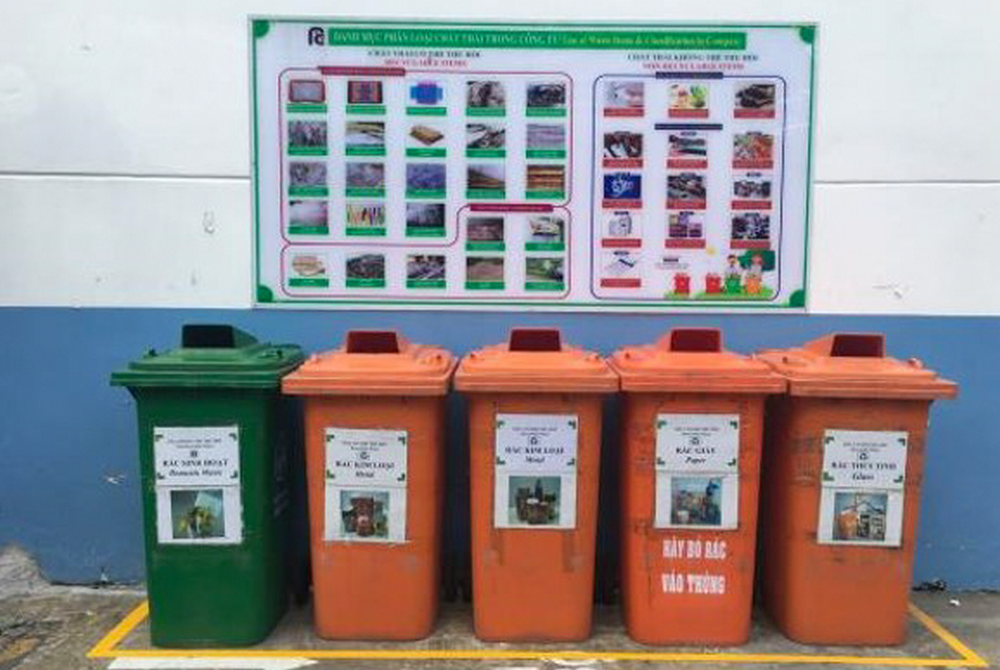
Comprehensive Waste Classification System | Establish a waste classification and categorization system to increase the recycling and reuse rates. |
Selection of Qualified Waste Management Companies | Select qualified waste management companies to ensure the recycling and reuse of valuable waste and proper disposal of valueless waste. |
Waste Declaration and Tracking in Accordance with Regulatory |
|
Waste Impact Assessment
Waste materials generated from the business activities at FENC can be broken down into 98% regular industrial waste and 2% hazardous industrial waste. The hazardous industrial waste includes used chemical bottles for testing, lubricant/oil and light tube/electrical batteries, which are stored in hazardous waste storage facilities and processed 100% by qualified waste management companies.
Waste Treatment Process Flow
.png)
Management Procedure for Waste Disposal Suppliers
.png)
Waste Generated in 2025
.png)
Waste Generated per Unit of Production
Unit: kg / metric ton of production
.png)
Note: The production statistical unit at FEAZ, FEAV and FENV is pieces of garments rather than metric tons. Thus, the three production sites are excluded. |
Total waste generated at FENC in 2025 increased by 3% compared with 2024, and the waste per unit of production rose by 15% from the previous year. This increase was primarily attributable to the adjustment of production capacity, which led to a rise in on-site recycling and reuse, and the commencement of operations at expanded facilities. Looking ahead, FENC will continue to establish waste reduction and improvement plans to implement source reduction. By prioritizing waste recycling and reuse, FENC aims to achieve waste reduction management and resource circularity.
Supply Chain Management and Education Training
FENC provides safety training to waste management suppliers, covering safety precautions for waste loading operations and the plant security management systems. In 2025, a total of 234 participants from 59 general waste management suppliers attended the training, representing 57% of its total general waste management suppliers. In addition, a total of 209 participants from 23 hazardous waste management suppliers attended the training sessions, accounting for 70% of the total hazardous waste management suppliers.
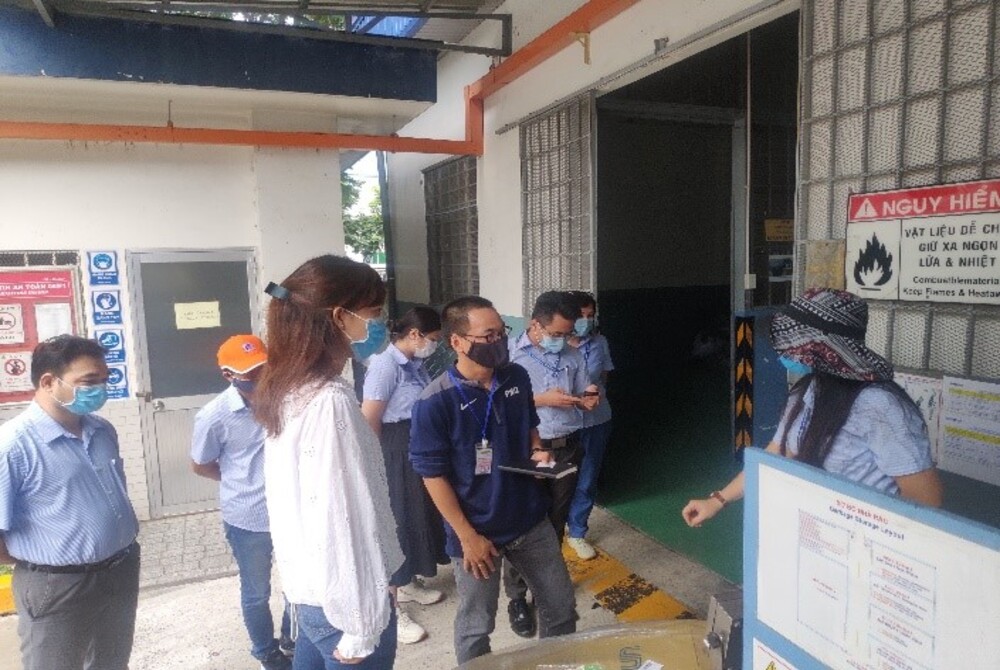
FEAV participated in the waste management exchange program that Nike, its brand customer, organized for suppliers to tackle waste through avoidance, recycling and reuse. FEAV launched its waste management program in 2023 with the objective of waste minimization. The plant listed specific management strategies targeting nearly 50 types of waste materials, such as waste fabrics, containers and oil. The plant also reinforced waste management training by conducting quarterly workshops and forming working and learning groups for employees to share practices in waste reduction and recycling. These approaches are helping FEAV accomplish its environmental goals.
↪More information:Waste Volume、Data of Waste