



Environmental Management
Continuously to introduce new technology on air pollution prevention and control, and examines existing facilities and production process regularly. To ensure regulatory compliance and help reach reduction targets.
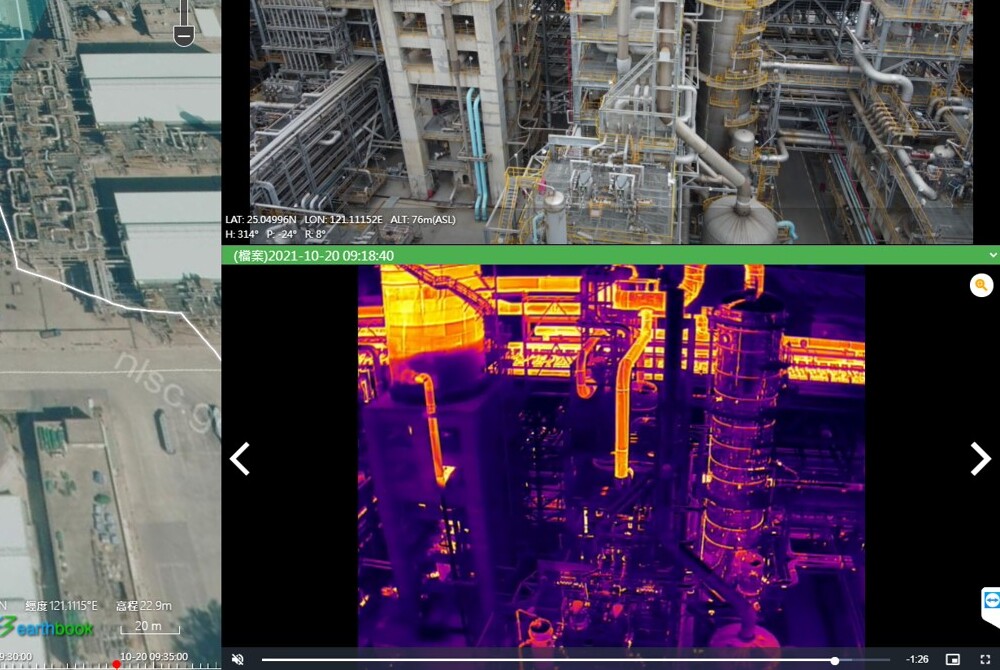
FENC adopts a stream of technologies to prevent and control air pollution. Regular reviews are conducted over existing facilities and production flow to ensure compliance with all emission standards. The Company uses online monitoring systems and equipment to record real-time conditions and keep tabs on any unusual occurrences with a priority focus on mitigating environmental risks in production design and minimizing pollution caused by the production process. All pollutant emission data is in compliance with regulatory standards and filed with the authority.
Air Pollution Management Regulations
FENC established the Air Pollution Management Regulations in accordance with the ISO 14001 environmental management framework, which explicitly defines applicable entities, responsible units, management indicators, response strategies and action plans, and the air pollution control measures have been integrated into daily operations and management protocols. The Company ensures that pollutant emissions at all production sites comply with regulatory requirements through equipment operation and maintenance, regular monitoring, internal and external audits and response mechanisms addressing anomalies, while devoting ongoing efforts to tracking, reviewing and improving management performance.
Air Pollution System Establishment and Management
Optimization of Equipment related to Air Pollution Monitoring |
|
Personnel Operation and Control |
|
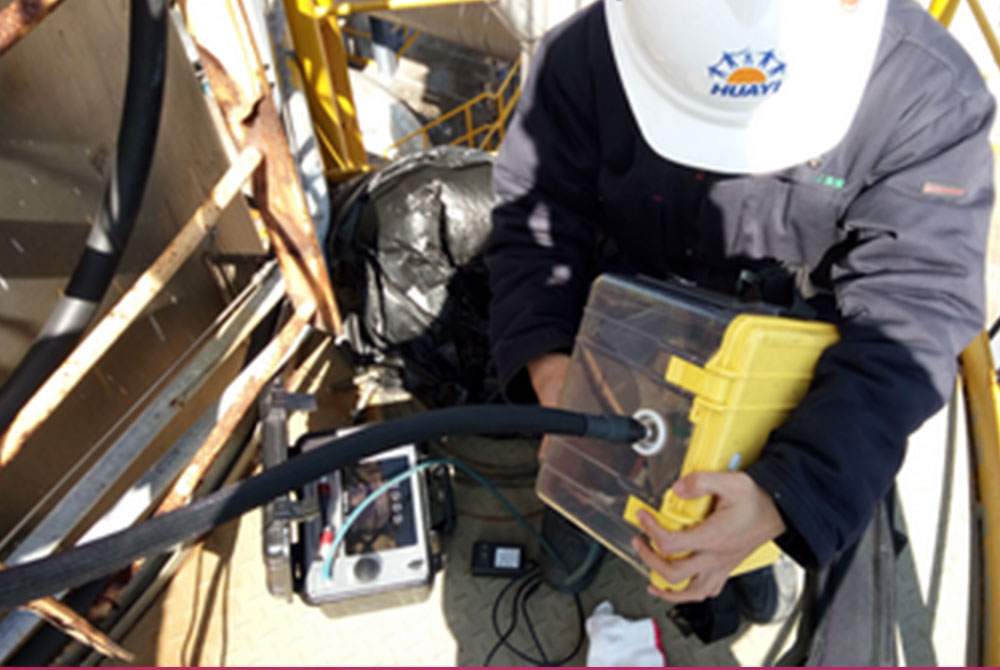
Regular External Testing of Air Pollution Control Equipment |
|
Replacement of Production Equipment to Reduce Air Pollutant Emissions |
|
Additional Air Pollution Control Equipment |
|
Equipment Replacement with High Fuel-efficiency Options |
|
Air Pollutant Emissions in 2025
.png)
Air Pollutant Emissions per Unit of Production
Unit: kg / metric ton of production
.png)
Note: The production statistical unit at FEAZ, FEAV and FENV is pieces of garments rather than metric tons. Thus, the three production sites are excluded. |
In 2025, total air pollutant emissions decreased by 19% compared with the previous year, and air pollutant emissions per unit of production declined by approximately 11%. The main contributing factors behind the lower emission levels are fluctuations in overall production volume and improved fuel quality. In the future, FENC will continue to enhance the efficiency of air pollution prevention and control, as well as the monitoring of air pollution control equipment.
Incorporation of Innovative Technology and Equipment
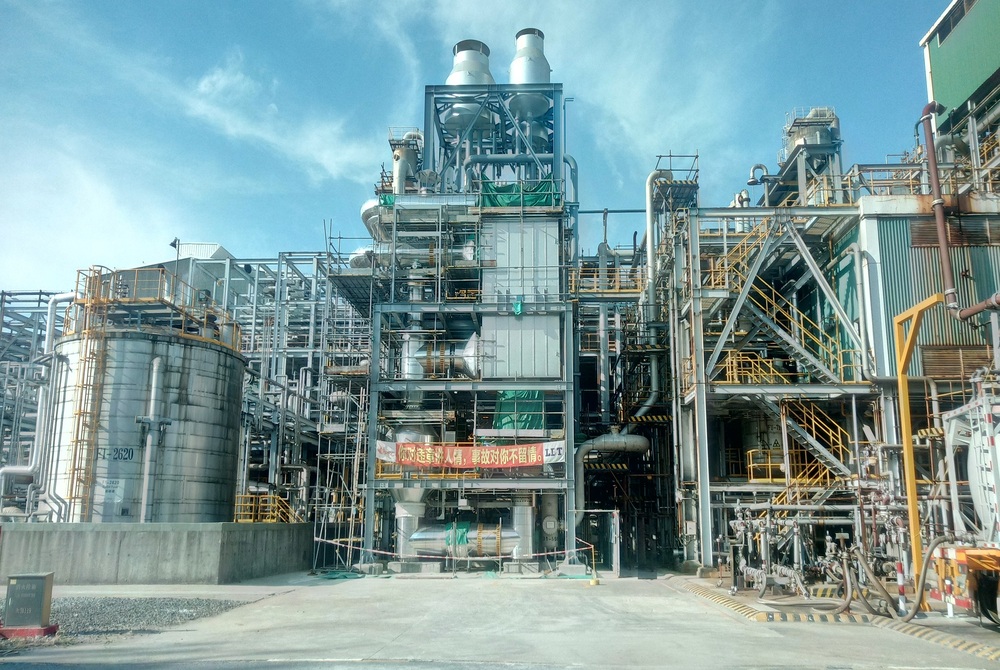
- At Hsinpu Chemical Fiber Plant, boilers are the primary source of air pollutant emissions. All existing pollution control equipment meets the standards of the best available control technology for stationary sources. In 2025, the plant enhanced production equipment and implemented fuel conversion, phasing in natural gas and low-sulfur fuels while reinforcing regular maintenance and self-monitoring for the control equipment. The efforts reduced total air pollutant emissions by 32% in 2025 compared with the previous year.
- The primary source of air pollutant emissions at WHFE is the production line, with vacuum exhaust from the sheet production lines accounting for approximately 85% of WHFE’s total emissions. After installing honeycomb activated carbon for waste gas treatment, the plant is in compliance with the air quality standards. WHFE also replaced all diesel forklifts with electric models and upgraded exhaust treatment facilities in the canteen to reduce non-process emission sources. To further improve exhaust treatment efficiency, a two-stage activated carbon adsorption system was installed at the hot-melt process exhaust outlets in 2025. The improvement enhanced WHFE’s ability to remove VOCs, reduce pollutant discharge and minimize environmental impacts on the surrounding areas, helping the plant to continue bolstering the overall performance in emission reduction.
- FEIS has ensured high-efficiency equipment operation by installing low-NOx burners, optimizing the operation of natural gas boilers and maintaining dust removal and VOC treatment equipment. FEIS also reduces emissions, such as particulate matters, through regular equipment inspections and maintenance, including timely replacement of filters and wear-and-tear items. In 2025, total emissions dropped by approximately 16% from the previous year.
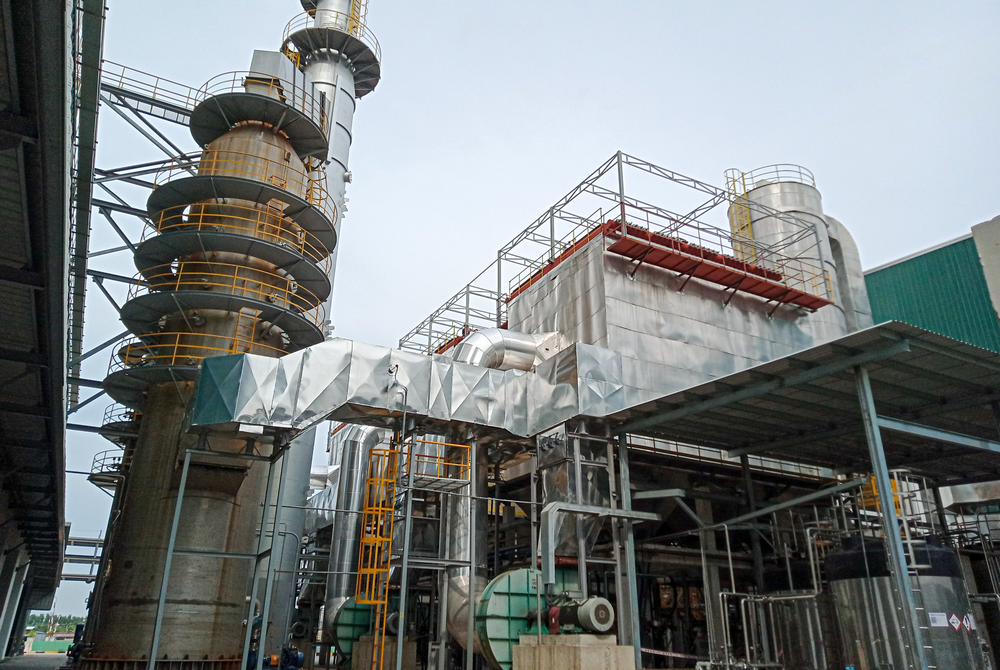
- In 2025, OGM continued enhancing air pollution control and management through production and equipment optimization. Projects completed include maintenance, repairs and application of internal coating for scrubbers and secondary external wall insulation for boilers to enhance operational stability and mitigate the risk of abnormal emissions. In 2026, OGM plans to upgrade activated carbon dosing equipment to improve its stability when dispensing carbon. The plant also intends to utilize online monitoring and warning systems to observe the operation in real time and keep the exhaust treatment systems operating consistently. The optimization of equipment and reinforcement of operational management have helped OGM comply with permit requirements and environmental regulations regarding stationary source emissions to minimize environmental impacts.
↪More information:Air Pollutant Emissions