




Response and Prevention Mechanism in the Wake of the Gas Explosion Incident at Hsinpu Chemical Fiber Plant
FENC took immediate action and activated its emergency protocols. While staying fully cooperative with the investigating authorities, the Company made certain that the injured employees and their families received the medical assistance and care they need through all possible means. A probe into process safety also started with the most stringent standards applied.
FENC is extending its sincerest apology to the employees who suffered injuries and lost their lives during the gas explosion that occurred at Hsinpu Chemical Fiber Plant on February 6, 2025 and to the public for causing social anxiety. After the incident, FENC took immediate action and activated its emergency protocols. While staying fully cooperative with the investigating authorities, the Company made certain that the injured employees and their families received the medical assistance and care they need through all possible means. A probe into process safety also started with the most stringent standards applied in order for FENC to improve and prevent tragedies such as this from ever happening again. Responses, actions and progress pertaining to this incident have been reported regularly to the Board and the stakeholders, ensuring transparency in the entire process.
A Weighty Review: Striving for Zero Occupational Incidents
FENC probed into this incident with a heavy heart. The review represents the determination to thoroughly reexamine process safety and systems. It is also a solemn pledge to all employees and their families as FENC is transforming grief into the power and determination to protect employees. The improvements center on PSM, with provisions added after reviewing the safety and health policies. Meanwhile, MI management and early detection technologies are reinforced with rigorous third-party oversight and the improvements on process safety and workplace protection have been fully integrated into the existing audit standards for ISO 45001 Occupational Health and Safety Management Systems and ISO 14001 Environmental Management Systems. FENC has also adopted the Plan-Do-Check-Act cycle to make sure these measures are implemented in a systematic manner for the long term and applied the most stringent standards to prevent incidents such as this from happening again. Through training, FENC is helping employees internalize safety awareness, building a corporate safety culture and fully engage employees as the Company strives towards zero accidents. FENC appreciates the confidence and trust from the public and stakeholders and will continue responding with transparency and accountability moving forward.
- 1. Overview
- 2. Crisis Response: Establishing Response Team and Systematic Operation
- 3. External Communication: Openness and Transparency
- 4. Operational Calibration: Restoring Customer Trust with Inter-plant Collaboration
- 5. Operational Safety: Three Strongholds of Defense
- 6. Trial Operation and Operation Resumption: Safety Management First
- 7. Accountability and Care: Ensuring Long-term Care and Support Beyond Treatment
1. Overview
At 2:47 AM on February 6, 2025, a leaked heat transfer pipeline at the polyester fiber factory of Hsinpu Chemical Fiber Plant, an FENC subsidiary, caused a gas explosion. The local fire department was immediately notified, and the fire was extinguished at approximately 3:30 AM. Following the incident, FENC activated emergency response protocols instantly, ensuring safety by suspending relevant processes and heat transfer systems as well as shutting down and isolating affected areas. Unfortunately, two employees lost their lives during the incident, and 19 were injured, nine of whom were hospitalized. To protect the health and wellbeing of these employees and their families, FENC made sure they are provided with adequate medical resources and follow-up care, giving them the strongest support the Company could offer.
Date and Location
At 2:47 AM on February 6, 2025, heat transfer fluids leaked from the mechanical room where the heat transfer pump was located, causing a gas explosion at Staple 06, Factory Polymer 09 Unit of Hsinpu Chemical Fiber Plant.
Cause
Leakage in the heat transfer system pipeline.
Injuries and Death
The gas explosion injured 19 employees, and sadly, two employees lost their lives, both of whom were from Taiwan. Among the injured, nine were hospitalized, five of whom are from Taiwan and four are from the Philippines. All of them were discharged before the end of May 2025. The other ten injured employees were treated on the day of the incident without hospitalization.
Scope of Suspension
In the wake of the incident, considering the safety hazards associated with the heat transfer system, FENC followed instructions from the authority and promptly suspended production and operations related to the heat transfer system within the entire plant. Inspections were then conducted to ensure process safety. With safety assured, while the accident zone remains sealed, none-accident zones have completed trial operation in phases and resumed operation.
Pecuniary Penalty
As of December 2025, Hsinpu Chemical Fiber Plant had been fined NT$99,000 by the authority for discharging wastewater into Fengshan River through the drainage ditch on the day of the gas explosion. The wastewater discharged after firefighting resulted in a higher chemical oxygen demand level, which is in violation of Article 28, Paragraph 1 of the Water Pollution Control Act. As a mitigation measure, FENC has ensured the separation of stormwater and wastewater discharge systems within the plant. The drainage ditch and intercepting facilities also undergo regular inspection to minimize the risk of wastewater leakage.
2. Crisis Response: Establishing Response Team and Systematic Operation
As the major crisis broke out, FENC moved quickly to activate its inter-departmental emergency response mechanism and organized an emergency response team with oversight from the President and the Chief Operating Officer. The team comprised five working groups: operation suspension and safety inspection, care and support, external affairs, technical expert and reconstruction, with the group leaders chosen from the vice president level. The systematic division of responsibilities and operation gave FENC the readiness to respond with full attention.
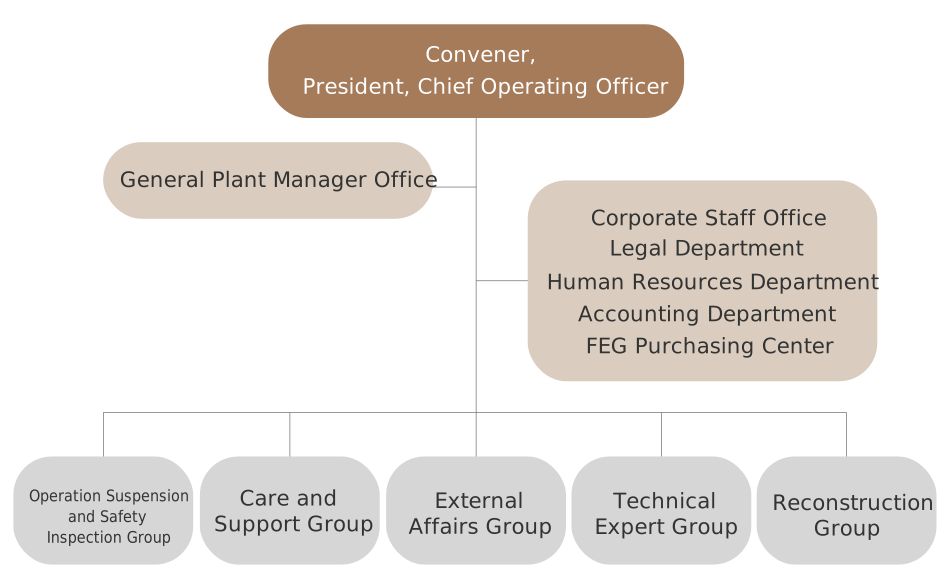
Operation Suspension and Safety Inspection Group
The group is responsible for following the established safety protocols and proceeding with the suspension of factory operations within the accident and non-accident zones, including production shutdown, system cool down, sequential equipment shutdown and necessary power shutoffs, to ensure safety over the entire process. The group is also tasked with establishing plans for resuming operations and conducting pre-startup safety reviews prior to trial operation. During the suspension period, the group oversees additional tasks such as operational scheduling and coordination with suppliers of raw and auxiliary materials.
Care and Support Group
The group ensures the provision of medical treatment, care and support for the injured employees and their families, including regular visits and consolation. The group also implements the medical case management system with dynamic tracking. Additional duties include facilitating psychological first aid (PFA) and tiered screening, offering strong post-traumatic psychological support to employees impacted by the incident with administrative assistance when filing for occupational injury compensation, insurance payments and subsidies.
External Affairs Group
This group engages in external communication and coordination, providing progress reports and current status to government officials, elected representatives and the media. The group also comforts and consoles local residents affected by the incident, establishing designated contact points to ensure consistency in external communication.
Technical Expert Group
The group provides production safety diagnosis and cause analysis, including a comprehensive review of process safety for all operations and locations within the plant involving heat transfer and the reinforcement of risk control measures. Specifically, the group collects pre-and-post-incident process operating parameters, equipment status and inspection and maintenance records to establish data sets for analysis. The group also seeks third-party professional entities to conduct systematic analysis and provide technical guidance.
Reconstruction Group
The group is in charge of cleanup at the scene, removal of damaged equipment, filing for insurance benefits and planning for resuming operation within the accident zone. The responsibilities also include arranging on-site inspections conducted by insurance companies and structural engineers to identify structural damages; planning and implementing necessary restoration and safety projects; documenting property losses; disposing of waste in accordance with regulatory requirements.
3. External Communication: Openness and Transparency
With openness and transparency as the guiding principles, FENC regards information disclosure as a priority for maintaining a sense of security among the public and trust among stakeholders. With this in mind, FENC updates the stakeholders on the handling of each incident promptly, ensuring information accuracy and transparency.
Material Information and Press Conference
On the day of the gas explosion, FENC made a material information post on the Market Observation Post System before 9:00 AM, providing details regarding the incident and the injured and deceased employees along with explanations of the impact on the Company's operation. FENC followed the first post with additional material information postings on February 7 and 8, providing progress updates. Identical information was posted simultaneously on the official FENC website to keep stakeholders informed with the latest development. On February 8, the President of Corporate Management, along with senior executives, held a press conference to express sincere apologies to the employees who were wounded and passed away, and for causing public anxiety. During the press conference, they explained the cause of the incident, the scope of its impact and the ensuing improvements. They also answered questions from the press, taking full responsibility for what happened and communicating with openness and transparency.
A Pledge of Sweeping Overhauls with Newspaper Announcement
FENC took the initiative to inform the public by making a newspaper announcement on February 8, offering a public apology and explaining the handling of the incident. Also included was a pledge to conduct a thorough review for complete overhauls and dedicate full attention to assist the families of the deceased and comprehensive medical care for the wounded. FENC also informed the neighboring residents of the details regarding the incident and actions that had been taken to ease their anxiety with a promise to bolster safety management in order to prevent future occurrences.
Ensuring Information Accuracy with Designated Contact Points
Following the incident, FENC arranged designated contact points based on duties as the channel for external communication, including dedicated personnel for government agencies, such as the Occupational Safety and Health Administration and the Fire Bureau, to maintain the consistency of external communication.
4. Operational Calibration: Restoring Customer Trust with Inter-plant Collaboration
FENC offered full cooperation with the authorities investigating the incident, and suspended operations as well as shut down areas related to heat transfer as instructed. While the suspension order covered both accident and non-accident zones, FENC initiated inter-departmental coordination and calibrated operations with the intent to reduce overall impacts. By integrating process, safety, equipment and business operations, the Company was able to guarantee consistency between emergency response and management.
Capacity Scheduling: Inter-plant Support for Operational Continuity
As a response to the suspension of operation, FENC followed its inter-plant coordination model and proceeded promptly to capacity scheduling, allocating production and distribution capacities from production sites in mainland China, Vietnam, Japan, the U.S. and other parts of Taiwan to support Hsinpu Chemical Fiber Plant. The coordinated efforts maintained the level of minimum supply for major customers. As to operational resources during this period, FENC adjusted the procurement strategies to temporarily suspend the purchase of raw and auxiliary materials. Procurement under contractual obligations was postponed or assigning other production sites as destinations. The incident prompted the standardization of protocols and mechanisms concerning capacity scheduling and risk assessments for significant raw materials in the event of major accidents or operation suspension, which serves to buttress operational resilience.
Forging Strong Customer Trust with Real-time Update on Operation Resumption
As part of the post-incident effort, FENC swiftly established a cohesive external communication system, engaging customers proactively through designated contact points in corresponding business units. Based on the magnitude of impact, customers received pertinent information regarding the scope of operation suspension, plans for trial operation and arrangement for resuming operation. They are also provided with real-time updates on capacity and delivery scheduling. FENC took a stand on honesty and transparency while maintaining stable supply, preventing information asymmetry and mistrust among customers by providing them with ongoing streams of progress updates for trial operation and operation resumption, which have boosted their confidence in FENC’s operational reliability.
5. Operational Safety: Three Strongholds of Defense
Overhauls with Third-party Verification
While operation suspension went into effect immediately after the incident, FENC conducted a process safety inspection and root cause analysis through TÜV Rheinland Taiwan, a third-party consultant with professional expertise in the area, and the results set the course for a complete overhaul. The plant-wide heat transfer system underwent reexamination, including pumps, pipelines, branch pipes, valves and instruments, to identify high-risk locations susceptible to leakage. Risk control measures were proposed to address the risk of explosion caused by leaking heat transfer fluids. Additionally, TÜV Rheinland Taiwan provided Process Safety Management (PSM) training to enhance safety awareness among staff; took part in an emergency response drill involving leakage in the heat transfer pump area at Hsinpu Chemical Fiber Plant; provided expert advice and guidance; performed inspections and supervision during the trial operation period to ensure safety compliance across all operations.
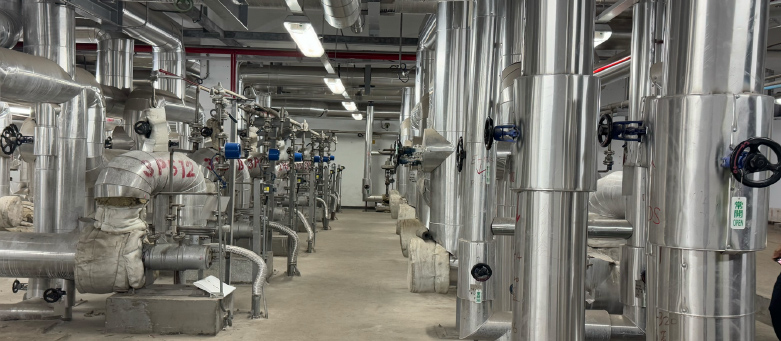
FENC follows the PSM framework with particular emphasis on Mechanical Integrity (MI) management, adopting aggressive measures to address the causes of incidents and potential risks. The Company also relies on third-party reviews to stay on a robust trajectory of improvement grounded in reliable professional judgement.

The major safety enhancements are:
- Reinforcing pressure gauge and pipeline support
- Installing a second shutoff valve
- Adding the automatic shutoff function for heat transfer pumps
- Improving heat transfer leak detection and alarm systems
- Improving ventilation in areas with high concentration of gas
- Enhancing fire sprinkler systems
- Measuring and verifying pressure vessel thickness and strength
- Inspecting, maintaining and repairing pipelines
- Isolating cables from heat sources
- Establishing a vibration monitoring system for heat transfer pumps
These measures have been incorporated into PSM, which also includes the procedures for pre-startup safety reviews and trial operation checks. Equipment status confirmation and documentation are completed in accordance with MI management. The audit and recommendations provided by TÜV Rheinland Taiwan have helped FENC integrate the safety enhancement measures into existing management processes and monitor equipment status through regular reviews and risk assessments, which ensure the effectiveness of improvement measures and continuous refinement of PSM and MI.
A Technologically Fortified Intelligent Monitoring System
To enhance the defense capacity for process safety measures, FENC has incorporated artificial intelligence (AI) into its safety monitoring systems. With this reinforcement, FENC is creating a real-time occupational safety and health monitoring network fortified with self-initiated advanced warning functions.
CCTV + AI Vision Monitoring System
FENC developed its own CCTV+AI smoke detection system for the heat transfer fluid, which overcomes the limitations of existing industrial gas detectors with its ability to perform consistently amid variable on-site conditions. The system is able to detect traces of smoke from minor leakage during beginning stages and issue early warnings, thus minimizing the risk of fire and explosion. Integrated with the AI image recognition model, the system has a strategic deployment of 54 CCTV+AI detecting points in areas with high number of heat transfer equipment. The system has the capability to prevent occupational accidents, provide real-time monitoring, spot high-risk behaviors and irregularities and minimize blind spots, thus lessening the burden on manual inspections. Overall, it elevates the efficiency of occupational safety management and enhances regulatory compliance, creating a data-driven, traceable and auditable safety management system.
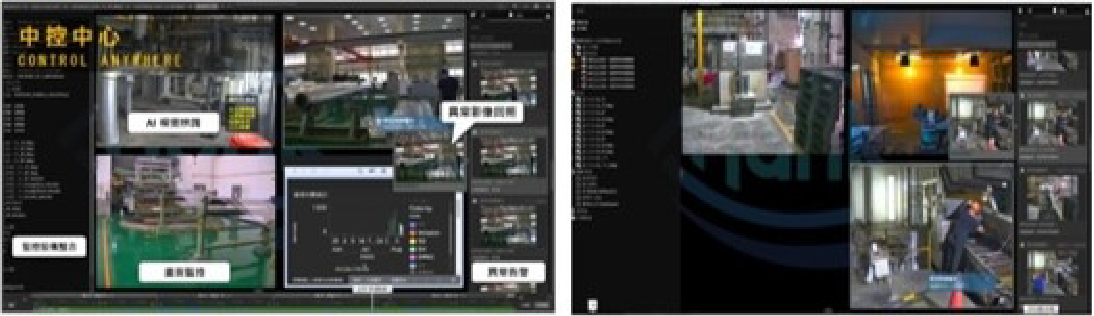 CCTV+AI smoke detection system
Intelligent Dowtherm Pump Monitoring System
A continuous vibration monitoring system has been installed for the Dowtherm pumps to alarm the control room when irregularities occur and shut off the pump automatically when necessary. Interlocking mechanisms are also installed on the outlet pressure regulators and expansion tanks of these pumps to issue immediate warnings when unusual occurrences are detected. When the controlled safety parameters are exceeded, the system automatically engages in equipment shutdown.
Occupational Safety Monitoring and Identification Model
An in-house AI model has been built into the existing CCTV system to provide monitoring and image identification of a host of potential occupational safety risks, including falls or when employees are not wearing personal protective equipment, such as safety helmets, reflective vests, safety shoes or cut-resistant gloves. When an occurrence is deemed unusual, the system notifies the personnel in charge through emails and Teams to facilitate prompt assessments of on-site situation and appropriate responses.
Real-time Site Monitoring with Mobile Imaging Vehicles
Safety at construction sites is monitored through AI-empowered mobile imaging vehicles. Through two-way communication with on-site personnel using loudspeakers and microphones, real-time warnings are issued from the vehicles during unusual occurrences, enabling the monitoring personnel to notify on-site staff immediately to modify unsafe practices, thus enhancing the efficiency of safety management.
Reinforced Employee Training and Adaptability
Reflecting upon the gas explosion, FENC decided to enhance staff training in tandem with improving equipment and process safety. The training aims to elevate PSM and emergency response capabilities among staff. Specific training aspects are as follows:
PSM and Risk Analysis Training
Training on PSM as well as hazard and operability study is provided to raise employees’ awareness of process risk identification and control.
Specialized Training on Improving Heat Transfer System
The operation and safety training was conducted concurrently with post-incident improvements for relevant personnel to ensure proper implementation of improvement measures.
Emergency Response Training
The existing emergency response management system governs the planning of training and drills. Among them is a multi-hazard disaster drill that is held every six months. Local fire authorities are invited to the drills as on-site advisers to help identify improvements needed and provide recommendations, which will anchor the subsequent reviews for the organizer. The 2025 plant-wide drills were conducted semi-annually. The first, which was held on March 11, focused on the emergency response during leakage at the heat transfer pump area. The Fire Bureau of Hsinchu County Government was present to provide guidance and fine-tune staff’s ability in reporting, on-scene command and inter-unit collaboration. The second was conducted on November 25 in conjunction with the Fire Bureau.
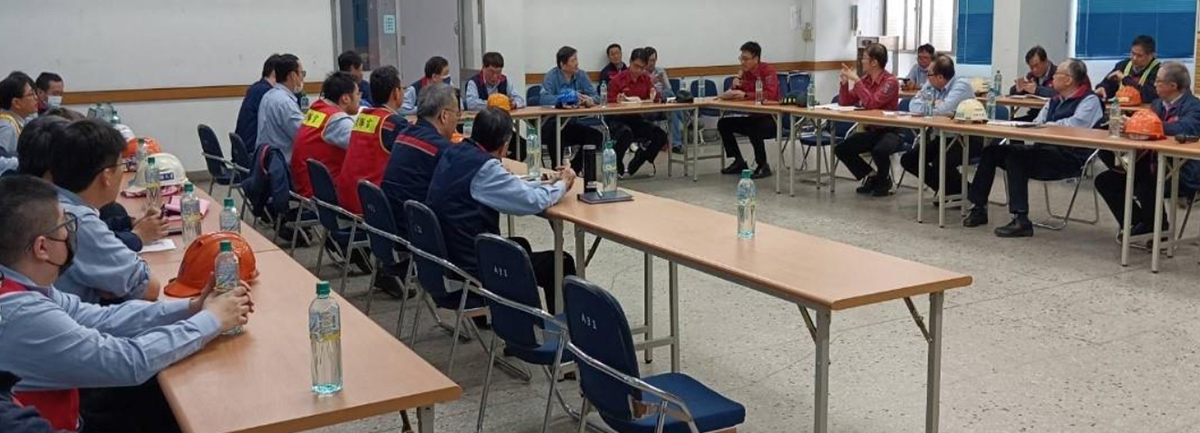 Leak drill at heat transfer pump area
6. Trial Operation and Operation Resumption: Safety Management First
Safety management comes first at FENC. The improvement measures and operating parameters are checked against the PSM and MI systems to confirm safety and feasibility, keeping plant operation compliant with safety standards and management systems.
Non-accident Zone
Trial operation was conducted for suspended operations in non-accident zones in accordance with the plan approved by the authority. Prior to resuming work, the planning of operational, suspension, resumption and emergency response procedures had been completed. Pre-startup safety reviews were also performed prior to the trial operation. After obtaining government approvals for the south and north plants in May and June 2025, respectively, the trial operation for the heat transfer system commenced according to the approved plan. The focus was on controlling and verifying process safety parameters, including monitoring key conditions such as temperature, pressure and flow rates. The required improvements were confirmed through on-site inspections with documentation. The trials followed the criteria of low load and phased implementation with reversibility and verifiability, and the plant continues to implement self-audit on and operational management to keep all operations compliant with safety regulations.
Accident Zone
The Hsinchu District Prosecutors Office lifted the lockdown order for the accident zone in January 2026. However, as of June 2026, FENC has kept the area sealed.
7. Accountability and Care: Ensuring Long-term Care and Support Beyond Treatment
FENC is fully committed to helping employees and their families heal and recover from this traumatic experience. Among the support and care provided are employee medical care, family support, psychological consultation and counseling, funeral arrangements and compensation.
Employee Medical Care
Following the incident, FENC instantly established a comprehensive management system for injured employees, creating a patient registry, appointing designated contacts, documenting visits and keeping records. A case management system was also created to consolidate information such as treatment plans, follow-up appointments, medication, rehabilitation and additional needs, giving the wounded employees proper and consistent care. FENC also arranged for its staff to attend to the hospitalized colleagues on rotating shifts 24 hours a day and provided the necessary rehabilitation aids. All medical costs are assumed by FENC. For employees recovering at home, FENC provided guidance on convalescent care, including dressing change, health and hygienic information, and assisted with applications for occupational accident compensation, insurance and additional subsidies.
For employees suffering injuries, FENC helped them receive the vocational rehabilitation service for workers with occupational injuries and undergo vocational assessments, which act as a reference for rehabilitation planning and evaluate their abilities to return to work. Monthly follow-ups were scheduled to track their usage of assistive devices and rehabilitation progress, helping them transition seamlessly back to their posts. With proper treatment, 13 employees have returned to work. Those who are still recovering continue receiving paid leave and vocational rehabilitation based on their conditions. It is FENC’s intent and responsibility to help each and every one of them receive the care and support they need.
Family Care
To assist the families of employees injured as a result of the incident, FENC established designated contact with emergency contact information to deliver timely information from a single source. They also received a detailed set of documents covering compensation, insurance, subsidies, medical procedures and frequently asked questions. For employees of foreign nationalities, their family members received professional interpretation and escort services as well as daily support such as visa assistance, accommodation, transportation and hospital visits. FENC paid for the expenses associated with the airfare and accommodations during their stay in Taiwan and established a liaison with foreign missions and brokerage agencies to facilitate prompt notification when attention was needed.
Psychological Consultation and Counseling
PFA was immediately activated after the incident, and high-risk cases were identified through triage. Employees could seek help while feeling protected through confidential referral and self-reporting mechanisms established by FENC. A collaboration with the Far Eastern Memorial Hospital allowed the Company to initiate 10 support campaigns within three months of the gas explosion. Based on the severity of impact, employees were categorized into priority, second priority and general care groups. A total of 59 employees completed the interview and received individual consultation and counseling with healthcare professionals. A training on the warning signs of and coping guidelines for post-traumatic stress disorder was also provided to help employees handle and recover from the traumatic experience.
- Employees discharged from hospitals
- Personnel on-duty at the scene
- Supervisors of the unit involved in the incident
- Employees involved in disaster relief
- Employees close to the injured or deceased colleagues
- Employees suffering psychological impact
- Employees caring for injured colleagues for a long period
- Employees under indirect impact
Funeral Arrangements and Compensation
To take responsibility for the two employees who unfortunately lost their lives as well as their families, FENC committed itself to providing full support during the funeral arrangement and higher bereavement compensation than the regulatory requirement. For transparency and compliance purposes, FENC has a detailed system in place regarding funeral assistance and the provision of condolence and compensation to the bereaved family members. Tracking and reporting are also required to make sure the families receive the aid and assistance they need. Legal and insurance information is also provided, keeping them aware of their rights and preventing any disconnect during the process. A future plan is to establish a long-term memorial service and family contact system, extending FENC’s care and support for the long haul.